
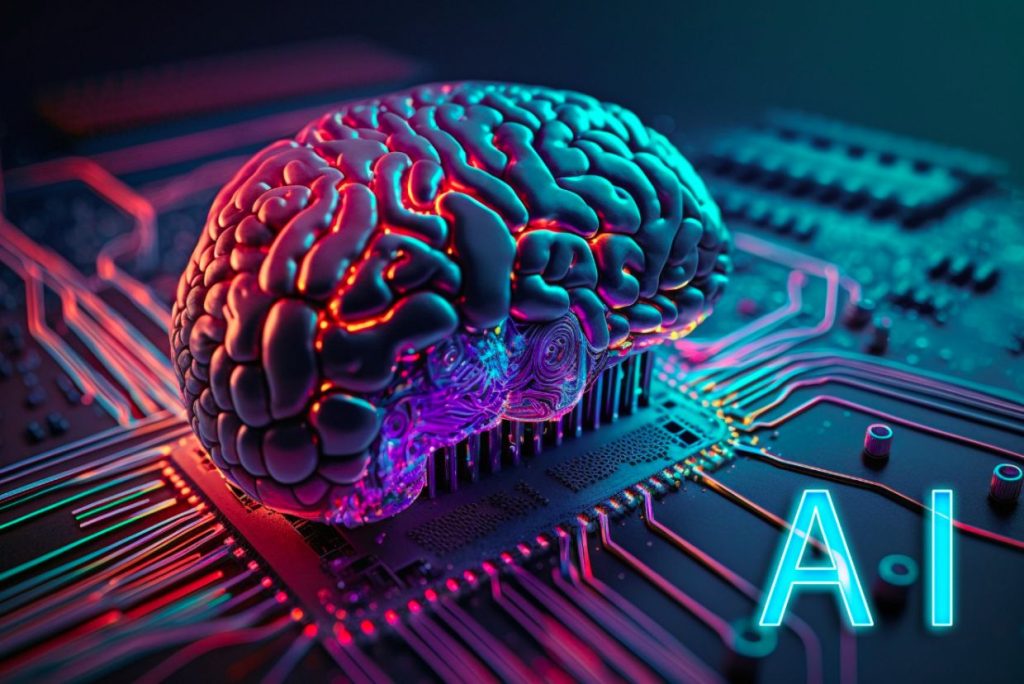
Artificial Intelligence (AI) stands at the forefront of technological innovation, revolutionizing industries and reshaping the way we live and work. From virtual assistants and autonomous vehicles to predictive analytics and personalized recommendations, the applications of AI are vast and diverse. In this comprehensive exploration, we delve into the evolution of AI, its transformative impacts across various sectors, and the exciting possibilities it holds for the future.
Understanding Artificial Intelligence:
At its core, AI refers to the simulation of human intelligence processes by machines, enabling them to perform tasks that typically require human cognition, such as learning, problem-solving, and decision-making. The concept of AI dates back to the mid-20th century, with pioneers like Alan Turing laying the theoretical groundwork for intelligent machines.
Evolution of AI Technologies:
Over the decades, AI technologies have evolved significantly, driven by advances in computing power, algorithms, and data availability. Early AI systems relied on rule-based programming and symbolic reasoning to emulate human intelligence. However, the emergence of machine learning and neural networks revolutionized the field, enabling machines to learn from data and improve their performance over time.
Key Milestones in AI Development:
- The Dartmouth Conference (1956): Considered the birthplace of AI, the Dartmouth Conference brought together leading researchers to explore the potential of creating intelligent machines.
- Expert Systems (1970s-1980s): Expert systems emerged as one of the earliest practical applications of AI, utilizing knowledge bases and inference engines to solve complex problems in specific domains.
- Machine Learning Revolution (1990s-Present): The proliferation of data and advancements in algorithms led to a resurgence of interest in machine learning, enabling machines to analyze vast datasets and extract valuable insights.
- Deep Learning Breakthroughs (2010s-Present): Deep learning, a subset of machine learning involving neural networks with multiple layers, has fueled breakthroughs in image recognition, natural language processing, and other AI applications.
Impacts of AI Across Industries:
- Healthcare: AI is revolutionizing healthcare delivery, facilitating early disease detection, personalized treatment plans, and medical image analysis. From diagnostic algorithms to robotic surgery, AI-powered solutions are enhancing patient outcomes and optimizing healthcare workflows.
- Finance: In the finance sector, AI is driving innovations in fraud detection, risk management, and algorithmic trading. Machine learning algorithms analyze market trends, predict financial risks, and automate investment decisions, leading to improved efficiency and profitability.
- Retail: AI is reshaping the retail landscape by enabling personalized shopping experiences, dynamic pricing strategies, and inventory optimization. Recommendation engines analyze customer data to offer tailored product recommendations, while chatbots provide real-time customer support and assistance.
- Transportation: Autonomous vehicles represent a paradigm shift in transportation, leveraging AI technologies such as computer vision and reinforcement learning to navigate roads safely and efficiently. Beyond self-driving cars, AI is also revolutionizing logistics and supply chain management, optimizing route planning and vehicle routing.
- Education: In education, AI is facilitating personalized learning experiences, adaptive tutoring systems, and intelligent educational content. AI-powered tools analyze student performance data to identify learning gaps and provide targeted interventions, fostering student engagement and academic success.
- Manufacturing: AI-driven automation is transforming manufacturing processes, enabling predictive maintenance, quality control, and supply chain optimization. Robotics and AI-powered sensors enhance productivity and safety on the factory floor, while predictive analytics minimize downtime and maximize efficiency.
Future Trends and Challenges:
Looking ahead, several trends are poised to shape the future of AI, including:
- Continued Advances in Deep Learning: Research in deep learning architectures and algorithms will drive further breakthroughs in AI capabilities, enabling more sophisticated applications across diverse domains.
- Ethical and Regulatory Considerations: As AI technologies become more pervasive, addressing ethical concerns such as bias, privacy, and accountability will be paramount. Robust regulatory frameworks and ethical guidelines are needed to ensure responsible AI development and deployment.
- Human-Machine Collaboration: The rise of collaborative AI systems, where humans and machines work together synergistically, will redefine the future of work and augment human capabilities across various industries.
- AI for Social Good: AI has the potential to address some of society’s most pressing challenges, from healthcare disparities to environmental sustainability. Initiatives focused on leveraging AI for social good, such as AI for Good and AI for Climate, will gain momentum.
Conclusion:
In conclusion, the evolution of artificial intelligence has ushered in a new era of innovation and transformation across industries. From healthcare and finance to retail and transportation, AI-powered solutions are revolutionizing the way businesses operate and society functions. As we navigate the opportunities and challenges of AI adoption, it’s essential to prioritize ethical considerations, foster collaboration between humans and machines, and harness the potential of AI for the greater good. By embracing AI technologies responsibly and thoughtfully, we can unlock unprecedented possibilities and shape a more equitable and sustainable future for all.